
02/14/2025
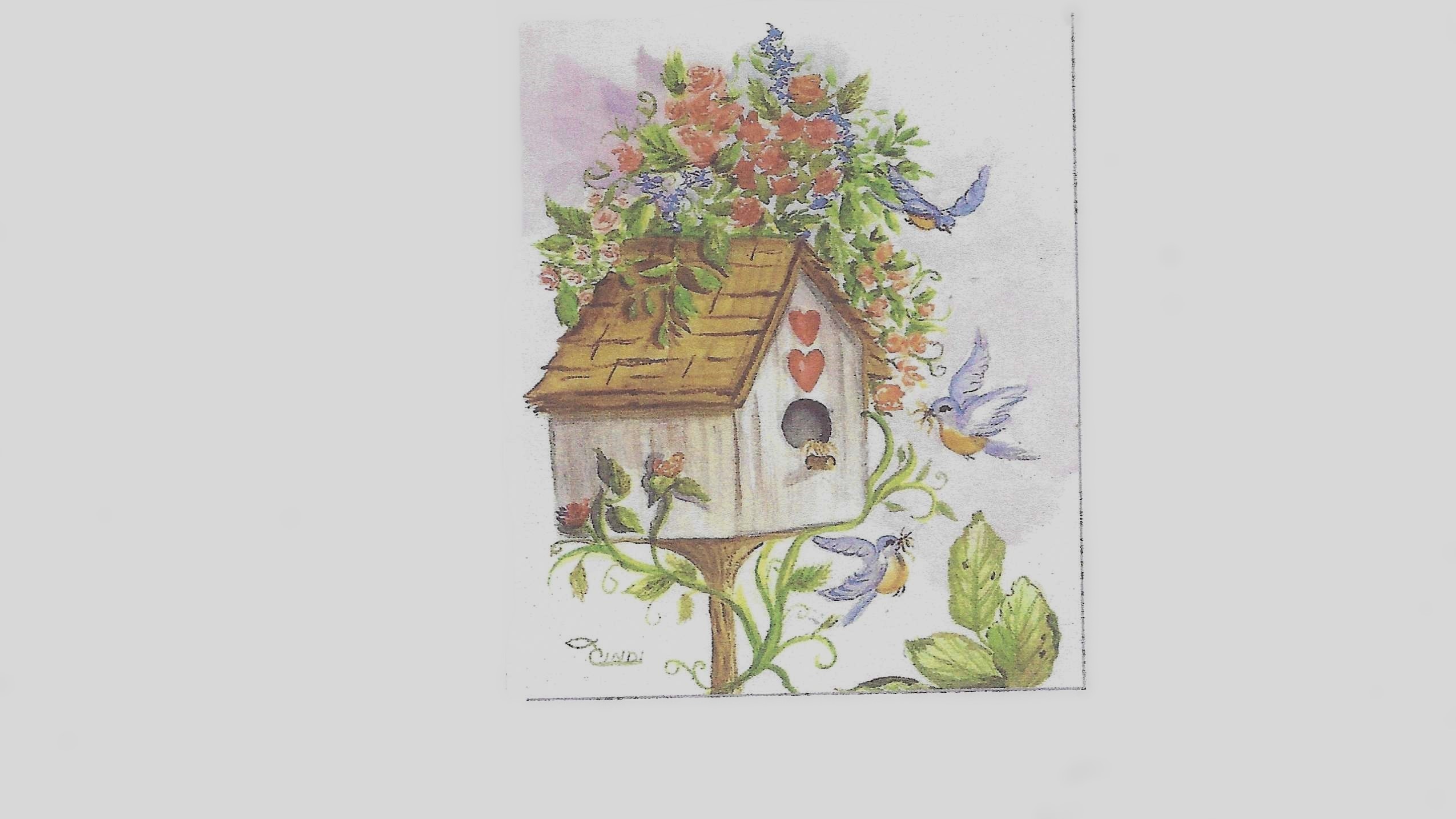
A CLOSER LOOK AT LOVE: IS IT REAL – IS IT IMPORTANT?
Kenneth Robert O’Neal

Valentine’s Day is Feb. 14. The celebration of St. Valentine, a Christian martyr, actually starts on Feb. 7 with Rose Day.
Love is the “word of the week” beginning Feb. 10, 2025. The word originated from the Old English meaning “to care, to desire, to hold dear.” In Latin, the word is “amor,” and in Greek there are four words: agape, eros, philia and storge.
HOW DO WE SHOW LOVE?
Romantic love: Affection, gifts, intimacy, acts of service.
Familial love: Care, support, protection.
Friendship love: Loyalty, encouragement, companionship.
Self love: Self-care, setting boundaries, self-respect.
Humanity love: Acts of kindness, charity, forgiveness.
There are also the five love languages:
• Words of affirmation
• Acts of service
• Receiving gifts
• Quality time
• Physical touch
WHAT IS LOVE?
IS IT A REAL THING?
Love is an emotion and an action — it is a deep connection that can be experienced biologically, psychologically and spiritually.
Neuroscience shows love activates the reward system in the brain, releasing dopamine, oxytocin and serotonin, reinforcing the reality of love.
On a philosophical basis, love has been debated for centuries, but its impact on individuals and society is undeniable.
IS IT IMPORTANT TO LOVE?
Yes, love is essential for human connection and well-being.
Studies show love enhances mental and physical health, builds relationships and gives life meaning. The absence of love can lead to loneliness, depression and emotional distress.
Love creates strong communities and drives acts of compassion and sacrifice.
Love is beautiful and challenging. It requires patience, commitment, understanding and vulnerability.
Love can be hard when it involves heartbreak, rejection or sacrifice.
Love can be said when it is unconditional, mutual and nurtured over time.
Real true love often demands effort and selflessness, making it one of life’s greatest challenges and rewards.
The greatest lovers in history and literature are Jesus Christ, Romeo and Juliet, Cleopatra and Mark Antony, Johnny Cash and June Carter.
Men tend to express love through actions, such as providing, protecting, problem solving.
Men value respect and admiration.
Women tend to express love through words and emotions, nurturing, emotional connection.
Women seek emotional security and connection.
Kenneth Robert O’Neal is a Ziglar Legacy master coach, Phenomenal Business coach and consultant. He can be reached at merger@windstream.net.
****
Love is a complex and multifaceted emotion that can take on various forms, each unique in its own way. From the passionate love between romantic partners to the deep bond shared between friends, understanding the different types of love can provide valuable insight into our relationships and connections with others. Let’s explore some examples:
- Romantic Love: This is perhaps one of the most well-known types of love, characterized by intense emotions, physical attraction, and a desire for intimacy. It’s that exhilarating feeling we experience when we meet someone who sets our hearts racing and makes us feel complete.
- Familial Love: The bonds we share with our family members are often rooted in unconditional love and support. Whether it’s the strong connection between parents and children or the unbreakable ties among siblings, familial love provides a sense of belonging and security.
- Platonic Love: This type of love goes beyond physical attraction and centers around deep friendship and emotional closeness. It’s the bond we have with our best friends, where there is trust, loyalty, and genuine care for each other’s well-being.
- Self-Love: Before loving others fully, it’s essential to learn to love oneself. Self-love involves accepting ourselves as we are, recognizing our worthiness, and nurturing our own happiness and well-being.
- Compassionate Love: Also known as altruistic or agape love, this type focuses on empathy, kindness, and compassion towards others without any expectation of reciprocation. It encompasses acts of selflessness and genuine concern for humanity as a whole.
Understanding these different types of love allows us to appreciate the complexity of human emotions while enriching our relationships with others. By acknowledging their existence within ourselves and embracing them in those around us, we can foster deeper connections based on mutual understanding, respect, and affection.
HAPPY VALENTINE!

kommonsentsjane

 kommonsentsjane