
01/14/2025
ttps://www.msn.com/en-us/news/technology/researchers-make-unexpected-discovery-while-working-to-improve-desalination-highly-convenient-and-cost-effective/ar-AA1x4T9Y
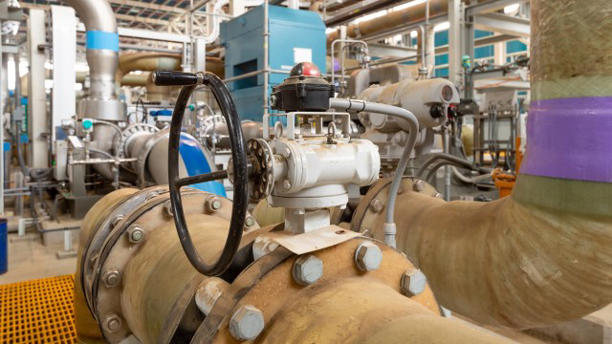
The previous standard for seawater was 8% lower than pure water, making this a landmark achievement.
Researchers at the University of South Australia have made a major breakthrough in addressing global water scarcity, according to Tech Xplore.
Over 70% of the world may be covered in water, but the vast majority is in the ocean — which is undrinkable. Up to 36% of the global population is without freshwater for at least four months of the year, and that number is at risk of doubling in the coming decades, Tech Xplore reported
Still, the ocean blue presents an opportunity: seawater can be evaporated, stripped of the high salt content that makes it unusable, and then turned into safe, drinkable water.
Would you install water-collecting hydropanels on your home?
Definitely
Not sure
No way
If the government pays for it
Click your choice to see results and speak your mind
The problem with this thermal desalination method has always been the large amount of energy it needs and the slow rate of evaporation. That’s where the study’s findings, published in the Advanced Materials journal, come in.
The researchers were able to speed up the evaporation rate of seawater to be 18.8% higher than pure water. The previous standard for seawater was 8% lower than pure water, making this a landmark achievement, Tech Xplore explained.
To accomplish such a feat, researchers added a concoction of minerals into the tank where seawater was evaporating. According to Professor Haolan Xu, one of the study’s authors, the resulting chemistry involves an exchange of ions at the surface between air and water, which speeds up the evaporation, the outlet reported.
Related video: Why Is Desalination So Difficult? (Practical Engineering
This is the Carlsbad Desalina Tion plant outside San Diego,

Why Is Desalination So Difficult?
On top of the boost in efficiency, the minerals themselves are readily available and inexpensive, making the entire process highly convenient and cost-effective, Professor Xu told Tech Xplore.
With about 17,000 desalination plants worldwide, this breakthrough can have an immediate impact in boosting the amount of clean water available to those who need it — although there are environmental drawbacks to consider. Researchers hope to continue pushing the speed of evaporation in the future to further secure the global water supply, Tech Xplore reported.
“This new strategy, which could be easily integrated into existing evaporation-based desalination systems, will provide additional access to massive amounts of clean water, benefiting billions of people worldwide,” said Prof Xu, per Tech Xplore.
Here’s how community solar energy can cut your monthly electric bill — no rooftop panels required
Join our free newsletter for weekly updates on the latest innovations improving our lives and shaping our future, and don’t miss this cool list of easy ways to help yourself while helping the planet.
Researchers make unexpected discovery while working to improve desalination: ‘Highly convenient and cost-effective’ first appeared on The Cool Down.
kommonsentsjane

 kommonsentsjane