
Trump Responds to Obama’s Presidents Day Tweet, Calls it a ‘Con Job’
By Shane Croucher On 2/18/20 at 6:03 AM EST
Copy listed on the internet.
U.S. Economy
President Donald Trump responded to President Barack Obama’s tweet on Presidents Day by calling it a “con job” and attacking his predecessor’s record on the economy.
“Eleven years ago today, near the bottom of the worst recession in generations, I signed the Recovery Act, paving the way for more than a decade of economic growth and the longest streak of job creation in American history,” Obama had written on Twitter.
Formally known as The American Recovery and Reinvestment Act of 2009, the stimulus package sought to heal the damage to America’s economy wrought during the Great Recession, which was sparked by the financial crisis.
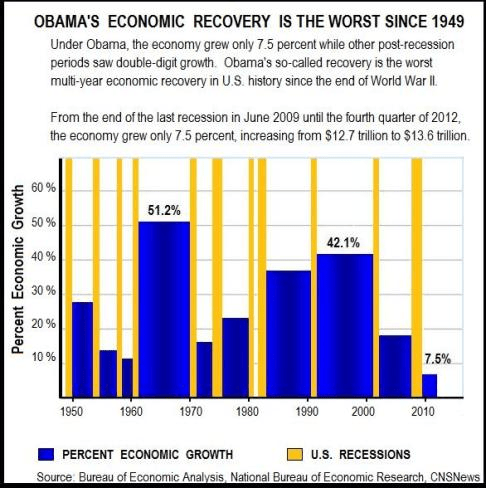
It was the deepest and longest recession since the Great Depression in the 1930s, which was also triggered by a financial crisis—the Wall Street Crash. The Obama-led recovery was slow and many economic indicators did not reach their pre-recession levels for several years.
“Did you hear the latest con job? President Obama is now trying to take credit for the Economic Boom taking place under the Trump Administration,” Trump tweeted on Monday in response to Obama’s tweet.
“He had the WEAKEST recovery since the Great Depression, despite Zero Fed Rate & MASSIVE quantitative easing. NOW, best jobs numbers ever.
“Had to rebuild our military, which was totally depleted. Fed Rate UP, taxes and regulations WAY DOWN. If Dems won in 2016, the USA would be in big economic (Depression?) & military trouble right now. THE BEST IS YET TO COME. KEEP AMERICA GREAT!”
When Obama took office in January 2009, he inherited an economy that had declined by 8.4 percent the previous quarter, according to Federal Reserve data. When he left in January 2017, the economy was growing at an annual rate of 2 percent.
The Federal Reserve has kept interest rates low and, to support the financial system, had a massive program to buy U.S. Treasury’s—American government bonds—from banks, known as quantitative easing.
The Fed slashed interest rates to historic lows during the crash to stave off a depression, but, as the recovery cemented itself over time, has elevated them slightly under Trump and also ended its easing program.
Trump has overseen a period of robust economic growth, the rate of which peaked at 3.5 percent in the second quarter of 2018, though it has slowed to 2.1 percent in the final three months of last year.
The president’s Tax Cuts and Jobs Act 2017 cut a whole range of corporate and individual taxes. He argued they would pay for themselves by powering economic growth.
kommonsentsjane

 kommonsentsjane